
Sun's out, shorts on! Save on our bestselling range of Canterbury Harlequin Shorts by building your own bundle. Mix & match across core and Limited Edition styles for big savings.


Picking the right pair of work boots for the farm, or any outdoor profession, is no small feat. (See what we did there?) All jokes aside, anyone who’s spent long hours in wet paddocks, cold dairy parlours or uneven terrain knows how much it matters. We’ve learned over the years that the wrong footwear shows up quickly: sore feet by lunchtime, blisters by mid-afternoon, or a particularly nasty slip in the yard. We all know, being out of action during the busy farming calendar is less than ideal.
Choosing the right farm boots isn’t about chasing trends or buying what looks tough on paper. We’ve spent plenty of time cultivating our range of safety and non-safety footwear portfolio and putting them to test in real farming applications. Here’s our guide to choosing boots that make long days easier, safer and more comfortable, plus practical tips for making them go the miles.

START WITH THE JOB, NOT THE BOOT
Different jobs need different features, and a good pair of boots can transform your day-to-day work. But before looking at brands or styles, it’s worth thinking honestly about how and where you work most days. Ask yourself:
· Are you mostly in the yard, on concrete or hard standing?
· Walking fields and uneven ground?
· Working around livestock, machinery, or both?
· In contact with chemicals, oils or fats?
· On your feet for long stretches without much chance to sit down?
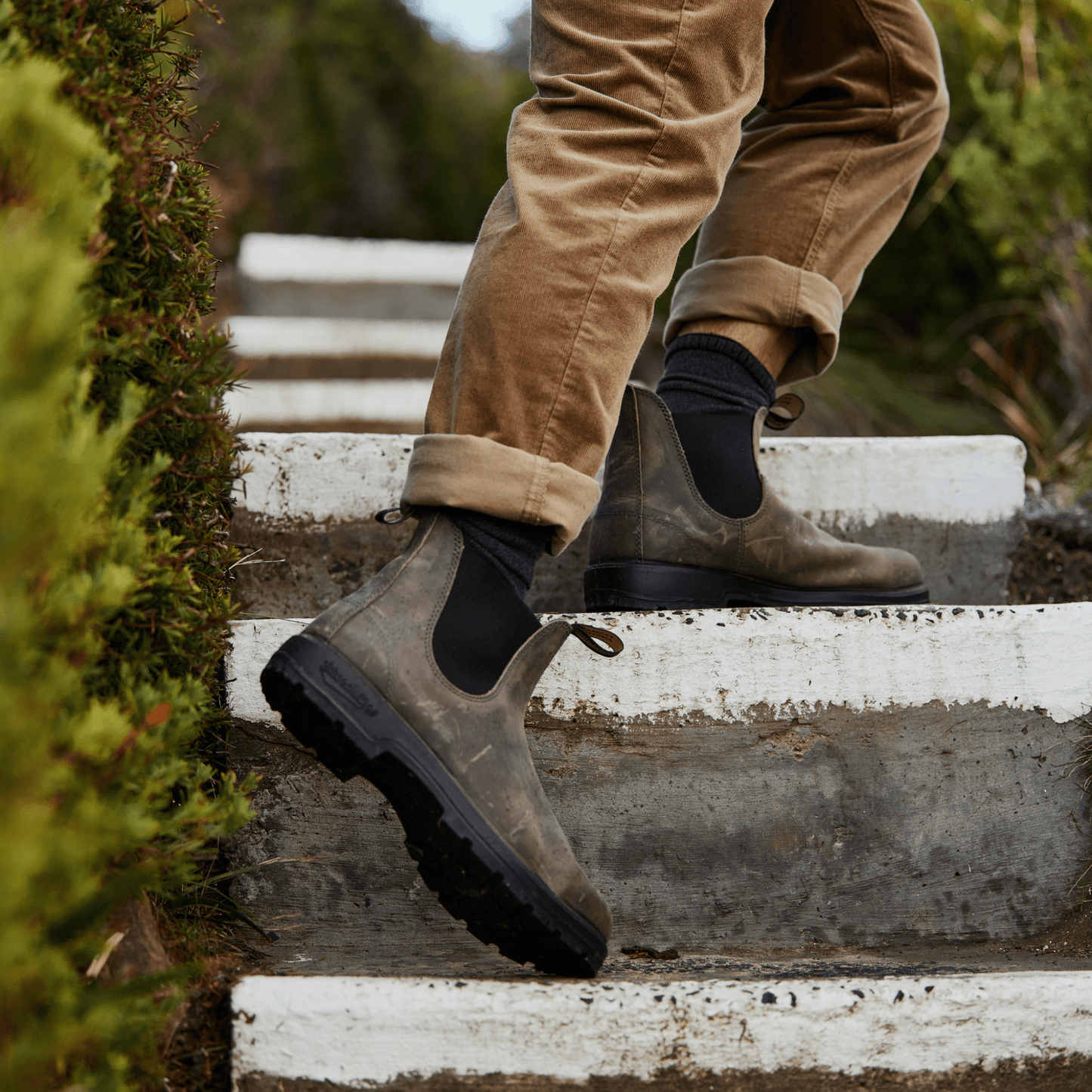
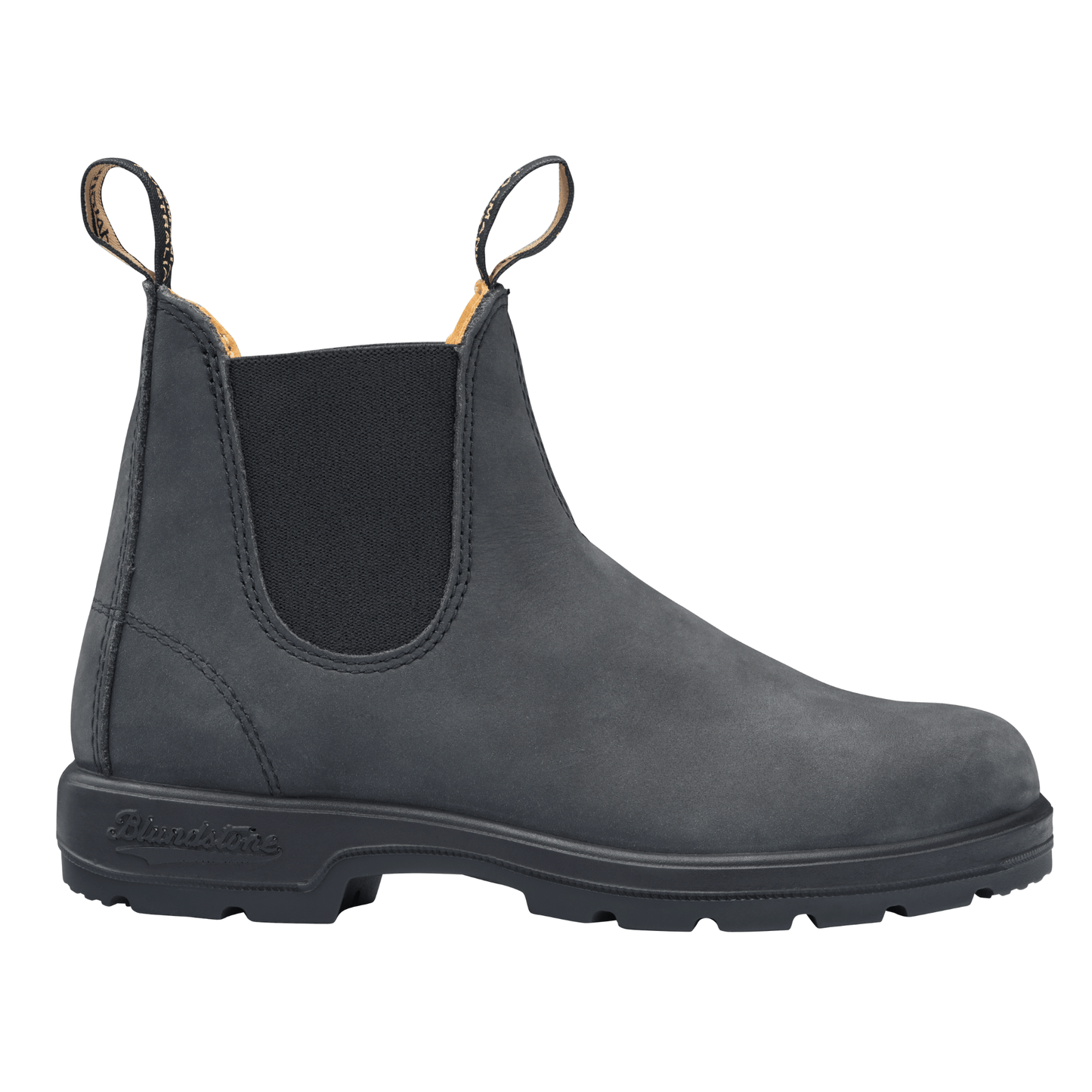
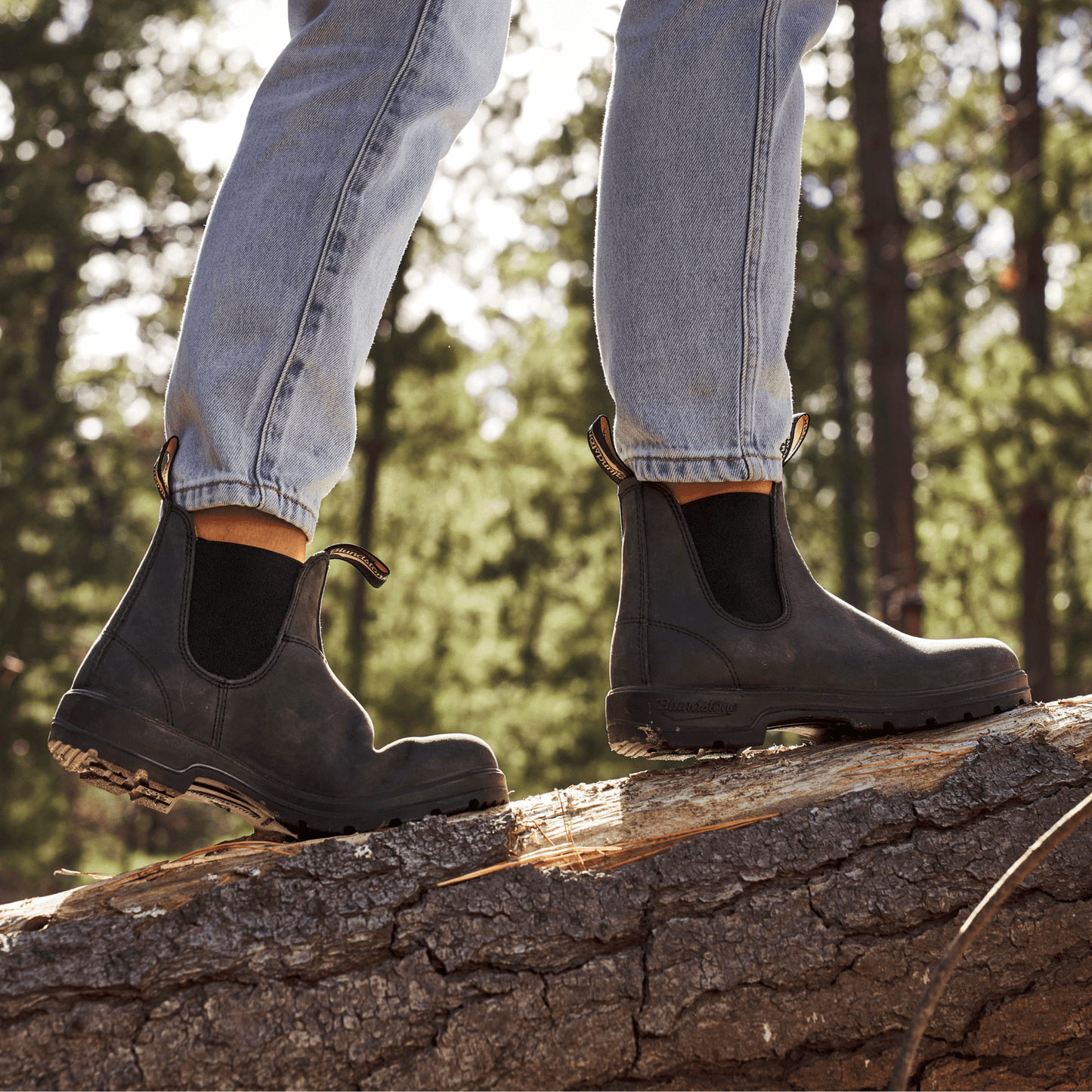
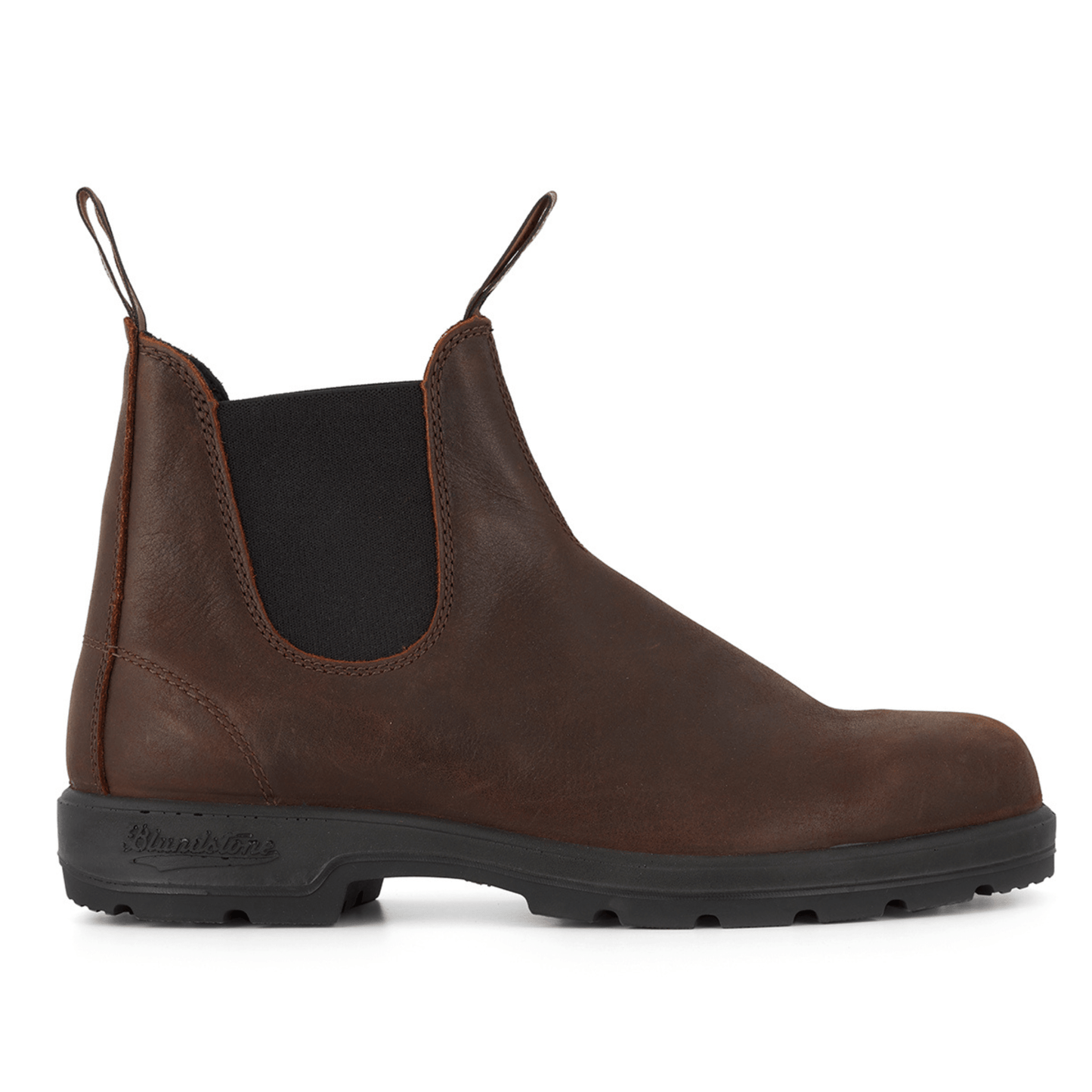
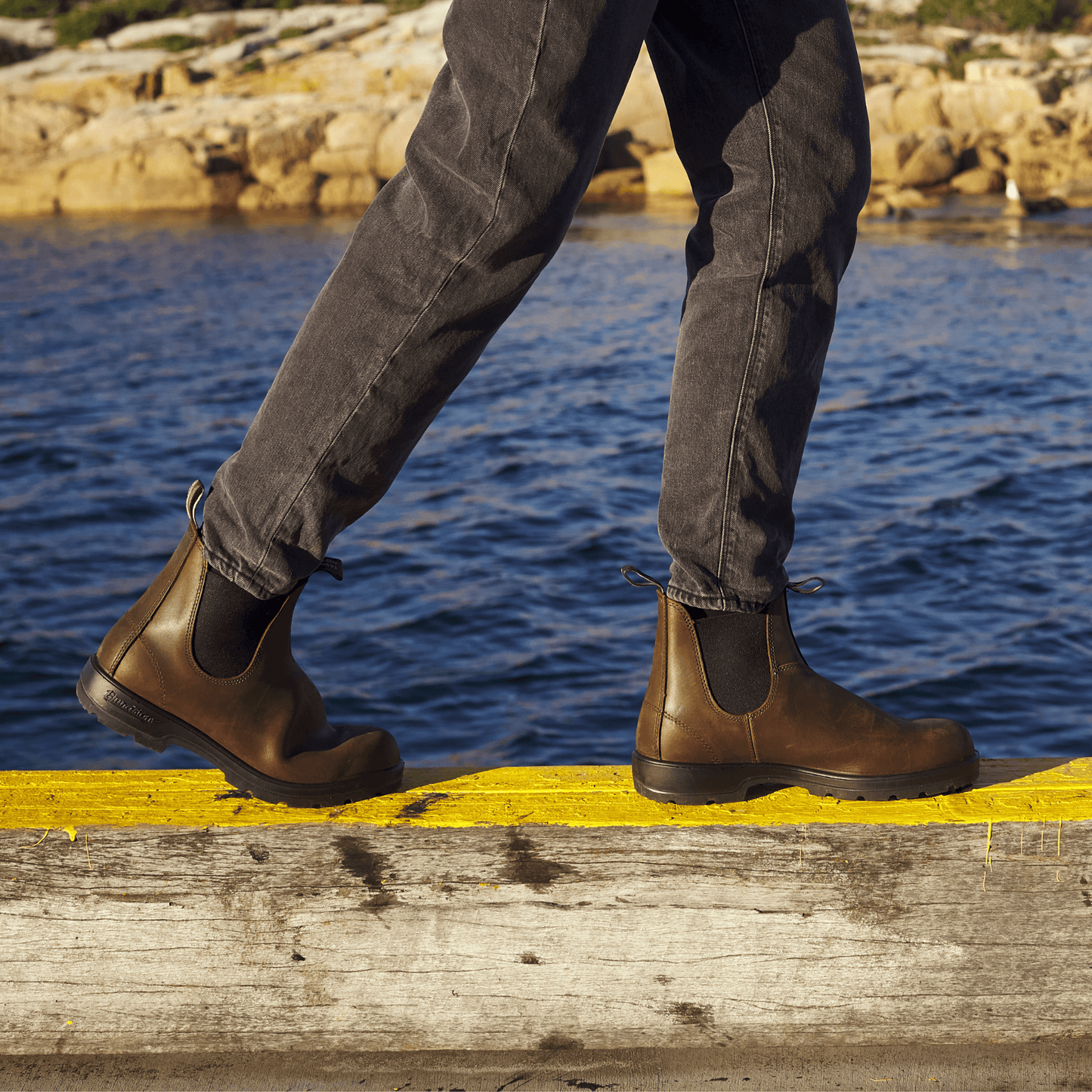
For most mixed farm work, leather dealer boots tick a lot of boxes. They’re breathable, supportive and easy to pull on and off – which matters more than you think when you’re in and out all day. Moving livestock, inspecting fields, mending fences or mucking out barns all demand slightly different boot qualities and features, and we’ll break that down below. Knowing what to look for in terms of comfort, durability, safety and task suitability is key.
But, at the core of it, your boots need to:
- Keep you steady and supported on slippery or uneven surfaces.
- Protect feet from accidental kicks, tools or debris.
- Reduce fatigue or strain during long days on hard terrain.
- Stand up to mud, manure, wet conditions and daily wear.
Choosing the right boot type: leather pull-ons, Chelsea-style or dealer boots, steel-toe cap options or wellies depends on the work you do and the conditions you face.

LEATHER FARM BOOTS: THE EVERYDAY WORKHORSE
A quality leather boot is often the most versatile option on the farm. They handle dry, damp, and mixed conditions well, and they’re usually more comfortable over long days than cheaper alternatives.
KEY FEATURES TO LOOK FOR IN LEATHER FARM WORK BOOTS
Rather than focusing on marketing claims, we always come back to a few practical features:
- Supportive footbeds and cushioned insoles: Cushioning and shock absorption reduce pressure and make a noticeable difference when walking on concrete and hard ground.
- Good grip: Particularly important around yards, gateways, and uneven terrain.
- Reinforced stitching and durable soles -Designed to extend boot life.
- Quality leather uppers: They mould to your feet over time and tend to last far longer with correct boot care practices.
- Pull-on tabs and elastic-sided designs: Dealer-style boots are popular for a reason: quick on, quick off.
Some farmers prefer non-safety dealer boots for general tasks, while others opt for steel toe safety boots when working around livestock, machinery, or heavy materials.
SAFETY VS. NON-SAFETY FARM BOOTS: WHICH DO YOU NEED?
Not every farm task requires steel toes or heavy-duty safety boots, but some jobs do for peace of mind without sacrificing comfort. Consider:
- Steel-toe or reinforced dealer boots for heavy livestock, machinery work, loading feed or materials.
- Slip-resistant soles for wet yards or grassy slopes.
- Shock-absorbing midsoles to reduce fatigue on long days.
For lighter duties, fencing, or general outdoor work, many farmers still favour non-safety leather boots because they’re slightly lighter and more flexible.
The important thing is choosing a boot you’ll actually wear all day. Protection only helps if the boots stay on your feet. We’ve also seen too many guides push “waterproof” as a must-have for every boot. The truth is, sometimes breathability and comfort are more important than a fully waterproof boot. Think about your typical daily tasks and choose features that match real needs.
COMFORT MATTERS: YOUR FEET WILL THANK YOU
Comfort isn’t just a “nice to have”, it affects how you work and how tired you feel at the end of the day.
A few things we’ve found make a real difference:
- Shock-absorbing soles reduce fatigue on hard ground.
- Supportive contoured footbeds support your arches over long hours.
- Breathable materials help manage moisture inside the boot.
One often overlooked upgrade is pairing your boots with specialist merino wool socks. They help regulate temperature in both summer and winter, wick moisture away from the skin, and reduce rubbing, especially useful in leather boots worn all day.

WHEN TO WEAR WELLIES FOR FARM WORK
Leather boots cover most everyday farm work, but wet, muddy, or frozen conditions call for something different. Proper wellies keep feet dry, warm, and supported when you’re spending hours on soft or slippery ground, tasks like feeding out, checking stock, or walking fields in winter are prime examples.
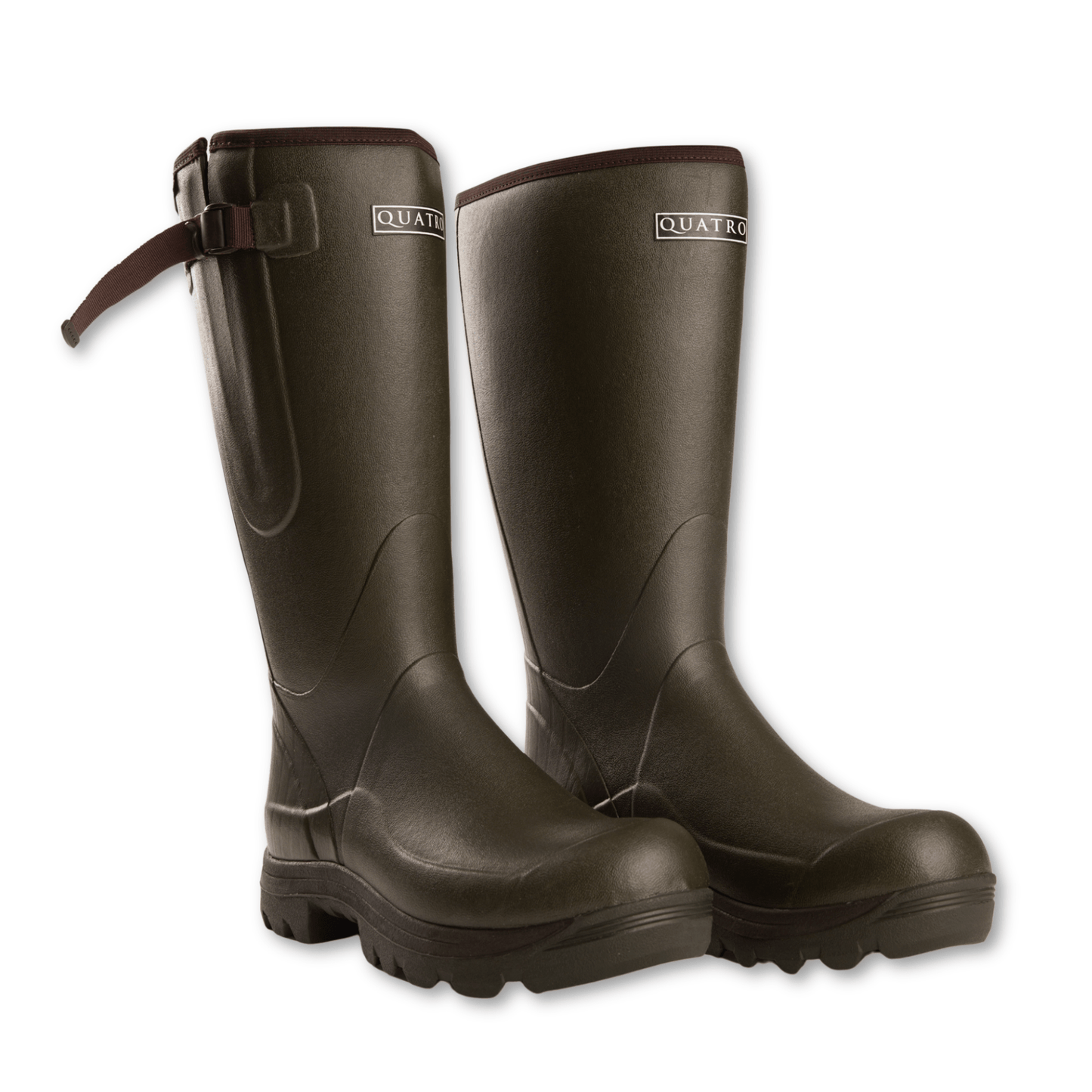
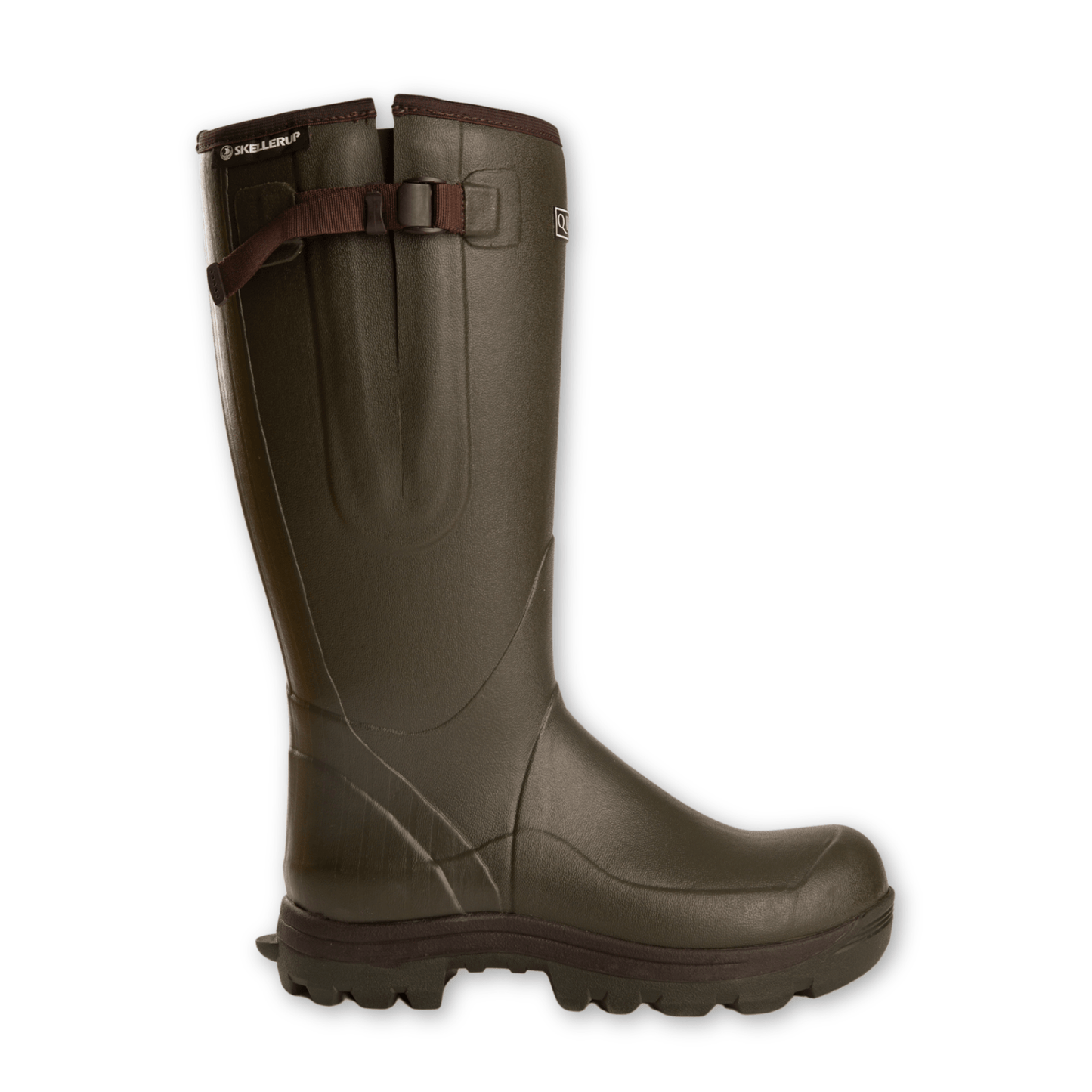
Modern agricultural wellies, such as the Aigle Parcours 2 ISO, or Skellerup Quatro Sport, go beyond basic waterproofing. They combine Neoprene® or felt insulation, shock-absorbing soles, and supportive footbeds to reduce fatigue, even over long distances. Their strong grip and ankle support make fieldwork safer and more comfortable in muddy or wet conditions. Features worth paying attention to include:
- Shock-absorbing soles to reduce impact when walking long distances.
- Supportive footbeds and heel cushioning for all-day comfort.
- Insulated linings for cold, wet winter conditions.
- Strong grip patterns for mud, wet grass, and uneven ground.
That said, most farmers don’t live in their wellies year-round, and for good reason. Leather boots tend to be more breathable and flexible in dry or mixed conditions, which is why many people treat wellies as a specialist option rather than an everyday boot. Having both available means you can choose footwear based on the job and the weather, rather than forcing one pair to do everything.
SEASONAL BOOT CHOICES FOR YEAR-ROUND WORK
Farming doesn’t stop for the seasons, but your footwear choices should adapt. Leather boots cover most jobs, with wellies for wetter, colder, or sub-zero conditions.
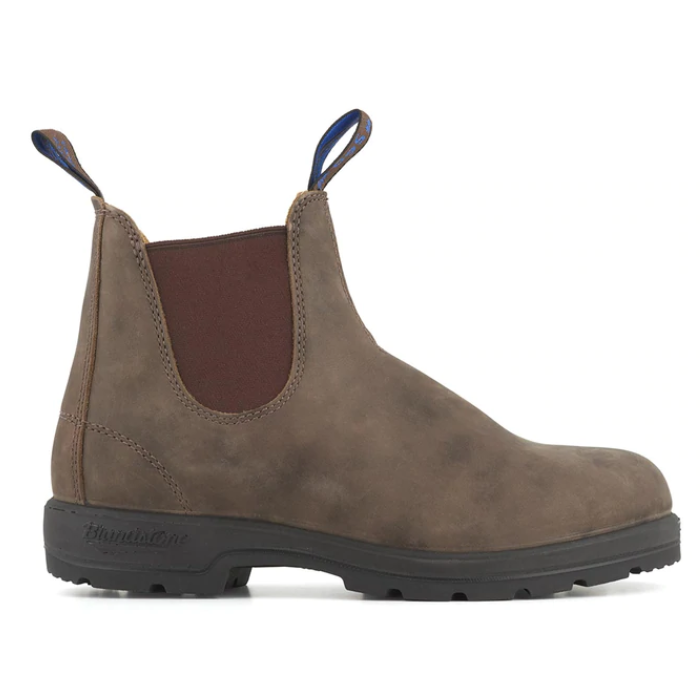
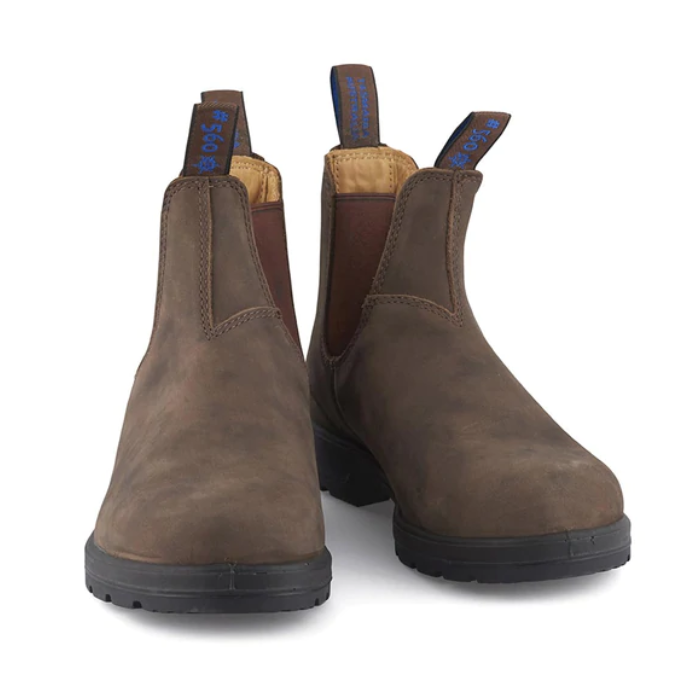
Autumn & Winter: For everyday yard and livestock work, insulated leather boots like the Blundstone #584 Thermal Boots keep feet warm and comfortable. When prolonged wet or muddy conditions arise, insulated wellies such as the Aigle Parcours 2 ISO or Skellerup Quatro Sport protect from cold and moisture while reducing fatigue. Pairing with merino wool socks helps regulate temperature and manage moisture.
Spring: Mixed ground conditions make having both leather boots and wellies useful. It’s also the perfect time to clean and condition leather with a renovating cream and water-repellent spray to prolong boot life.
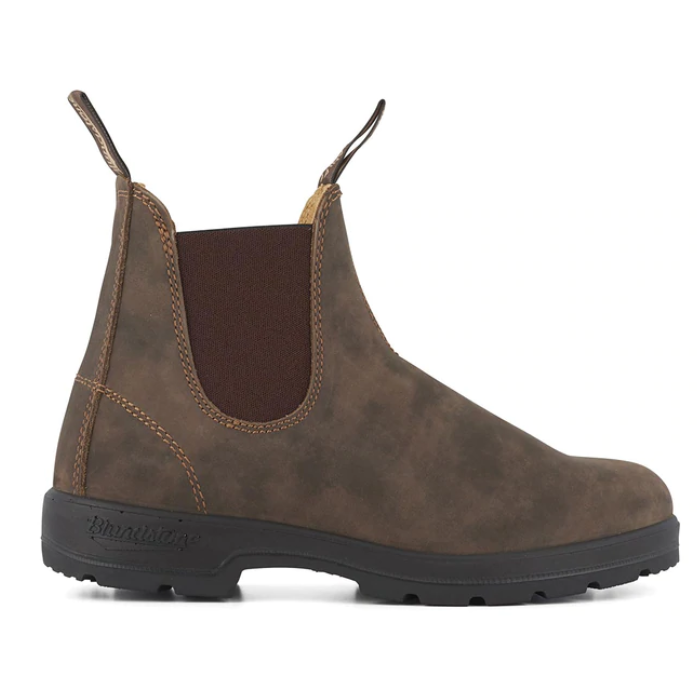
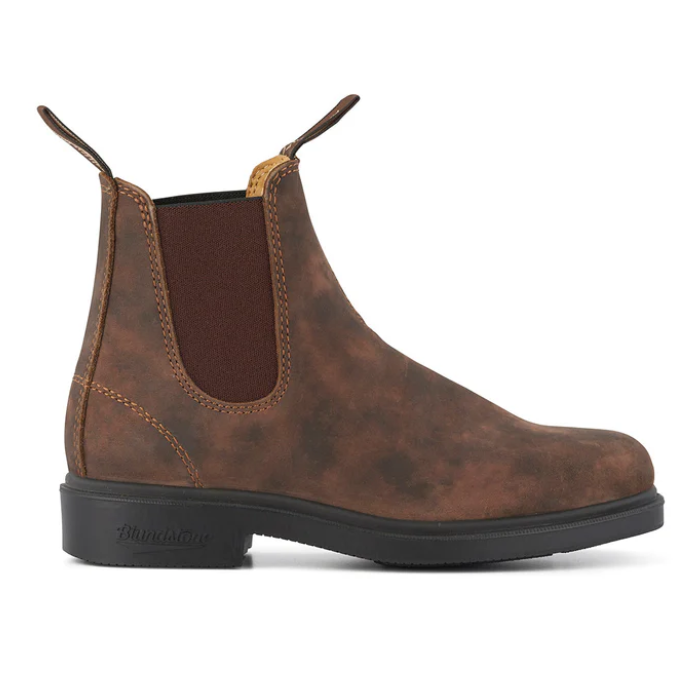
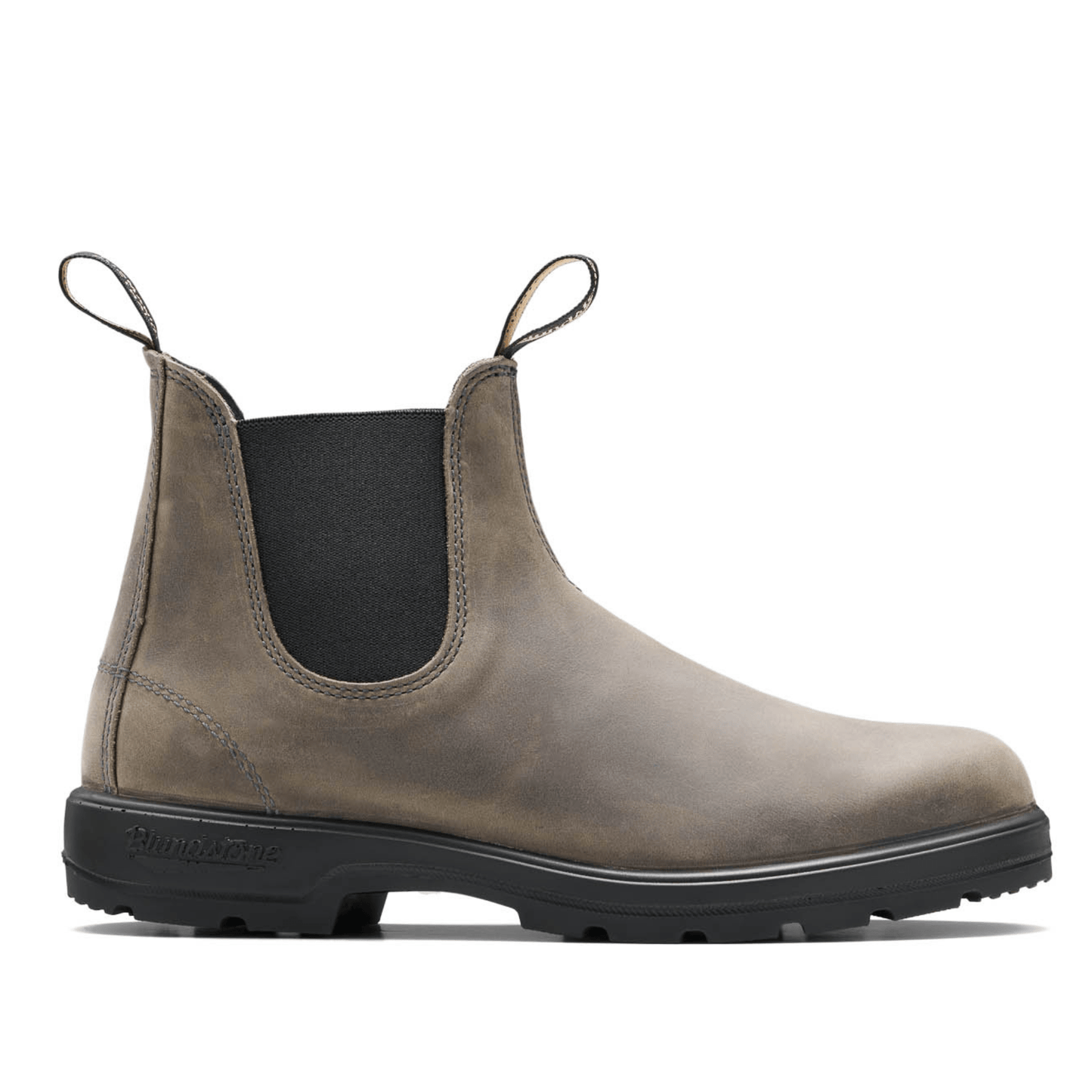
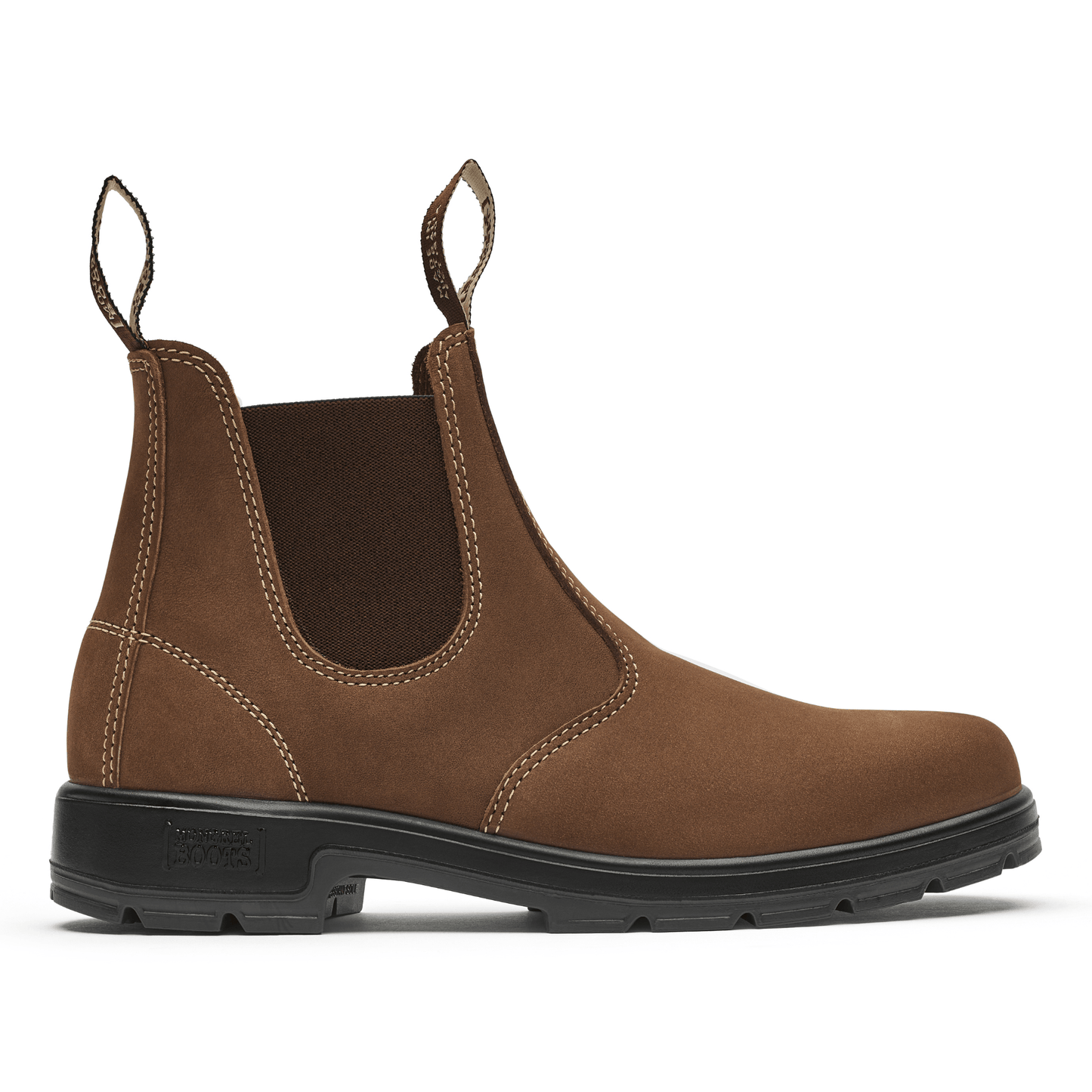
Summer: Comfort and breathability are priorities. Lightweight, versatile leather boots like the Blundstone #585 Boots, #1306 Dress Boots, or Mongrel K9 Dealer Boots perform well for yard work and dry field tasks, while wellies are only needed for damp mornings or soggy paddocks. Lighter weight merino wool socks can still help wick moisture.

BOOT CARE ESSENTIALS & BREAKING-IN 101
A great pair of boots can last years, but only if you take care of them and break them in properly. Here’s a farmer-friendly guide to keep your leather boots performing at their best from day one.
HOW TO BREAK IN LEATHER BOOTS PROPERLY
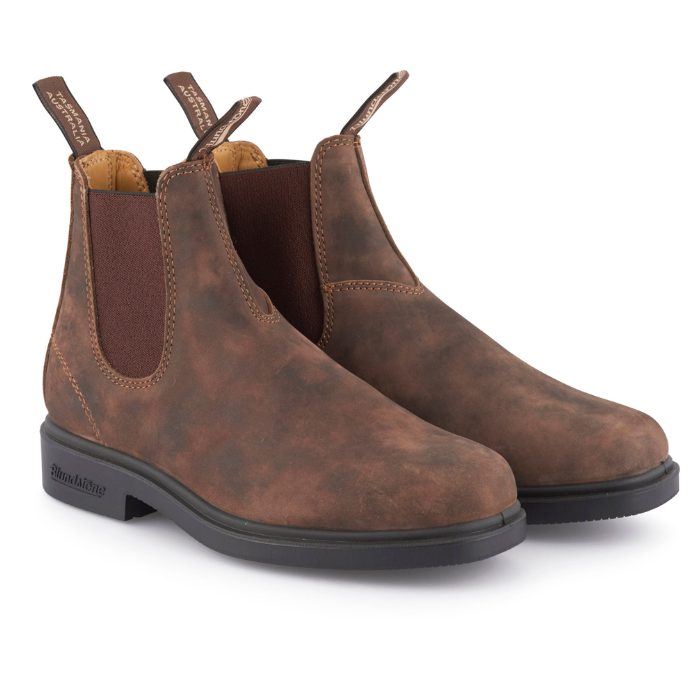
Even the most comfortable boots need a short break-in period, especially leather styles like the Blundstone Rustic Brown Series, or Mongrel K9 Dealer Boots.
- Wear them for short periods around the yard before taking them on long days.
- Use thick or merino wool socks to help stretch the leather slightly while protecting your feet.
- Focus on areas that feel tight, gently bending the leather with your hands or walking on uneven surfaces.
- Avoid heat sources to soften leather, it can dry out and crack.
Breaking in gradually ensures comfort, reduces blisters, and helps the leather conform to your foot shape.
HOW TO CARE FOR LEATHER BOOTS AND WELLIES
Once your boots are broken in, keeping them in top condition is straightforward:
- Clean after work: Remove caked on mud and debris once boots are dry, using a soft bristled brush or damp cloth. Leave boots to air dry.
- Condition leather: Apply a renovating cream to maintain suppleness and maintain the leather.
- Protect against moisture: A light waterproofing spray helps leather cope with damp conditions without over-saturating it.
- Check insoles: For boots with removable EVA or XRD™ footbeds, like Blundstone styles, washing or airing them periodically keeps them fresh.
Wellies like Aigle Parcours 2 ISO, Parcours Vario, and Skellerup Quatro Sport require less intensive care, but checking gussets, soles, and liners each season ensures they remain comfortable and waterproof.
With these simple steps, your boots will feel comfortable from the first wear and stay reliable season after season.
LET’S WRAP IT UP
The right farm boots make a real difference to how you work, how you feel at the end of the day, and how long your footwear lasts. By choosing boots based on your day-to-day tasks, conditions and seasons (and taking a little time to care for them properly!) you’ll get better comfort, better protection and far better value in the long run. On the farm, reliable footwear isn’t a luxury; it’s a tool you rely on every single day.
If you’re reviewing your footwear setup for the season ahead, you can explore our full farm footwear collection, or browse specific ranges such as leather dealer boots and agricultural wellington boots, all tested and trusted in real farm conditions.